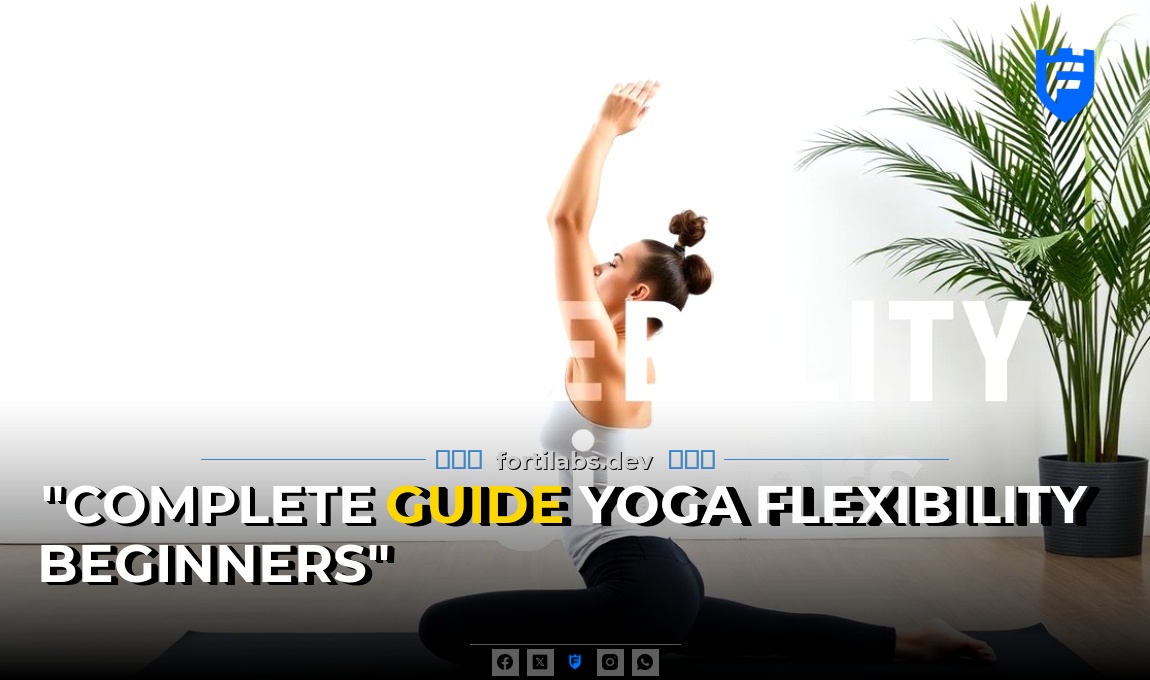
Did you know that regular yoga practice can increase your flexibility by up to 35% in just eight weeks? I sure didn’t, not until I decided to give yoga a try after years of skepticism. I was always under the impression that yoga was just a bunch of stretching with no real benefit. Boy, was I wrong. If you’re like me, doubting whether yoga is worth your time, let me share my journey and show you how yoga can transform your flexibility and overall well-being.
My Skeptical Start
I’d always seen yoga as something for people who were already flexible and spiritual. I thought it was more about touching your toes and saying “om” than anything else. Plus, I was into more traditional workouts like weightlifting and running, which I believed were the real way to get fit. The idea of slowing down and focusing on my breath seemed, well, boring.
But then, I started noticing my body getting stiffer. I’d pull a muscle just tying my shoes, and my back always seemed to be aching. A friend of mine, who had been doing yoga for years, kept telling me how it had helped her with flexibility and even her mood. I was skeptical, but I figured I had nothing to lose. So, I rolled out my first yoga mat with a mix of curiosity and doubt.
Finding the Right Approach
One of the things I quickly learned is that yoga isn’t a one-size-fits-all practice. There are different styles, each with its own benefits. I tried two main approaches: Hatha yoga and Vinyasa yoga. Here’s what I discovered about each.
Hatha Yoga: Slow and Steady
Hatha yoga is all about holding poses for a while and focusing on your breath. It’s like the “beginner’s yoga” everyone talks about. I loved how slow-paced it was because it gave me time to really feel each stretch and understand my body’s limits.
- Best for: Beginners who want to build a strong foundation in yoga poses and improve flexibility gradually. It’s also great if you’re looking to reduce stress and connect with your breath.
- What to expect: Lots of standing poses, seated stretches, and a focus on alignment. You won’t be moving quickly, so it’s perfect if you’re not a fan of fast-paced workouts.
I noticed that Hatha yoga helped me become more aware of my body. I could feel my muscles loosening up over time, and my posture started to improve. It was slow progress, but it was progress still.
Vinyasa Yoga: Flow With the Movement
Vinyasa yoga, but, is all about movement. You flow from one pose to the next, often matching your breath to the rhythm of the class. It’s more active than Hatha, and it felt a lot more like the workouts I was used to.
- Best for: Those who want a more active practice and enjoy a little challenge. If you like to sweat and move around, Vinyasa is a great choice.
- What to expect: Constant movement, lots of sun salutations, and a mix of standing and balancing poses. It’s not as intense as a HIIT workout, but it’ll get your heart rate up.
I found that Vinyasa yoga helped me build strength along with flexibility. The constant movement kept me engaged, and I loved how it made me feel energized afterward. However, it wasn’t the best for deep stretching, which is why I liked to mix it up with Hatha.
What I Learned About Flexibility
Before I started yoga, I thought flexibility was just about being able to bend forward and touch my toes. Turns out, it’s so much more than that. Flexibility is about having a range of motion in your joints that allows you to move freely without pain or stiffness. And yoga is one of the best ways to improve it.
How Yoga Improves Flexibility
Yoga works on your muscles, tendons, and ligaments, helping them become more pliable. When you hold a stretch for a few breaths, you’re essentially telling your body, “Hey, we need to move better.” Over time, your body listens, and you start to notice that you can move more easily.
- Muscle lengthening: Yoga poses like Downward Dog and Forward Fold help lengthen tight muscles, especially in the hamstrings, hips, and back.
- Joint mobility: Moving through different poses improves the mobility of your joints, making everyday movements easier.
- Reduced stiffness: Regular practice keeps your muscles from getting stiff and tight, which is especially important as you age.
My Flexibility Breakthroughs
After a few weeks of consistent practice, I started noticing real changes. My hamstrings, which used to feel like they were made of concrete, became looser. I could touch my toes without bending my knees—something I couldn’t do before. My back didn’t ache as much, and I felt more limber overall.
One of the biggest surprises was how yoga improved my posture. Tight hips and a stiff back had been causing me to slouch, but as my flexibility increased, I naturally stood taller. It was a small change, but it made a big difference in how I felt.
Tips for Beginners
If you’re thinking about starting yoga but aren’t sure where to begin, here are some tips to help you get started.
Start Small
You don’t need to jump into an hour-long class right away. Start with just 10-15 minutes a day. Even a short session can make a difference, and it’ll help you build the habit of practicing regularly.
Focus on Your Breath
One of the biggest mistakes I made when I started was holding my breath during poses. I didn’t realize how important it was to keep breathing steadily. Your breath helps you relax into the stretch and prevents you from tensing up.
Listen to Your Body
Yoga is about progress, not perfection. If a pose feels too challenging, don’t push yourself too hard. It’s okay to modify or skip a pose if you need to. The goal is to improve over time, not to force yourself into a deep stretch on day one.
Be Patient
Flexibility doesn’t happen overnight. It takes time and consistent practice. Don’t get discouraged if you don’t see immediate results. Keep showing up on your mat, and you’ll start to notice changes.
Try Different Styles
Just like I did, you might find that some styles of yoga work better for you than others. If you prefer a slower pace, stick with Hatha. If you like movement, go for Vinyasa. The key is to find what feels good for you and makes you want to keep coming back.
Looking back, I’m so glad I gave yoga a chance. It’s not just about touching your toes or saying “om”—it’s about feeling better in your body and mind. If you’re on the fence, I urge you to roll out a mat and give it a try. You might be surprised by what you discover.