I still remember the day I decided to give exercise a real chance. I was always the person who thought workouts were for those “fitness freaks” or athletes. But one day, after struggling to climb a few flights of stairs without getting winded, I realized I needed to change my perspective. That was the moment I decided to start my fitness journey, and I’m glad I did. If you’re a beginner like I once was, this guide will help you understand the basics of workouts and exercise.
Debunking Common Assumptions About Exercise
Before we dive in, let’s address some common misconceptions that might be holding you back. One of the biggest assumptions I had was that exercise had to be intense to be effective. I thought if I wasn’t dripping in sweat after every session, I wasn’t doing it right. But that’s not true. Exercise comes in many forms, and even gentle activities can make a big difference in your health and fitness.
Another myth is that you need to join a fancy gym or buy expensive equipment to work out. Again, this isn’t the case. You can start your fitness journey right at home with little to no equipment. All you need is a bit of space, some comfortable clothes, and the willingness to give it a go.
Getting Started: The Basics of Exercise
Understanding the Different Types of Exercise
Exercise can be broken down into four main types: aerobic, strength, flexibility, and balance. As a beginner, it’s important to incorporate a mix of these into your routine.
- Aerobic exercise: This type of exercise gets your heart rate up and makes you breathe harder. It’s also known as cardio and includes activities like walking, cycling, and swimming.
- Strength exercise: This involves using your body weight or weights to build muscle. Examples include push-ups, squats, and lifting weights.
- Flexibility exercise: This focuses on improving your range of motion and includes activities like yoga and stretching.
- Balance exercise: This helps improve your stability and coordination. Examples include tai chi and heel-to-toe stands.
Creating a Balanced Routine
As a beginner, you might be tempted to jump into intense workouts right away. But it’s important to start slow and build up gradually. Aim for at least 150 minutes of moderate aerobic activity or 75 minutes of vigorous activity each week, along with strength training exercises at least 2 days a week. This can be broken down into smaller sessions to fit your schedule.
Here’s a simple example of a beginner’s workout routine:
- Monday: 30 minutes of brisk walking (aerobic)
- Tuesday: Bodyweight exercises like squats, push-ups, and lunges (strength)
- Wednesday: Rest or gentle yoga (flexibility)
- Thursday: 30 minutes of cycling (aerobic)
- Friday: Strength training with light weights
- Saturday: 30 minutes of swimming (aerobic)
- Sunday: Rest and recovery
Workouts for Beginners: Simple and Effective Exercises
Bodyweight Exercises
Bodyweight exercises are a great place to start because they require no equipment and can be done anywhere. Here are a few basic exercises to get you started:
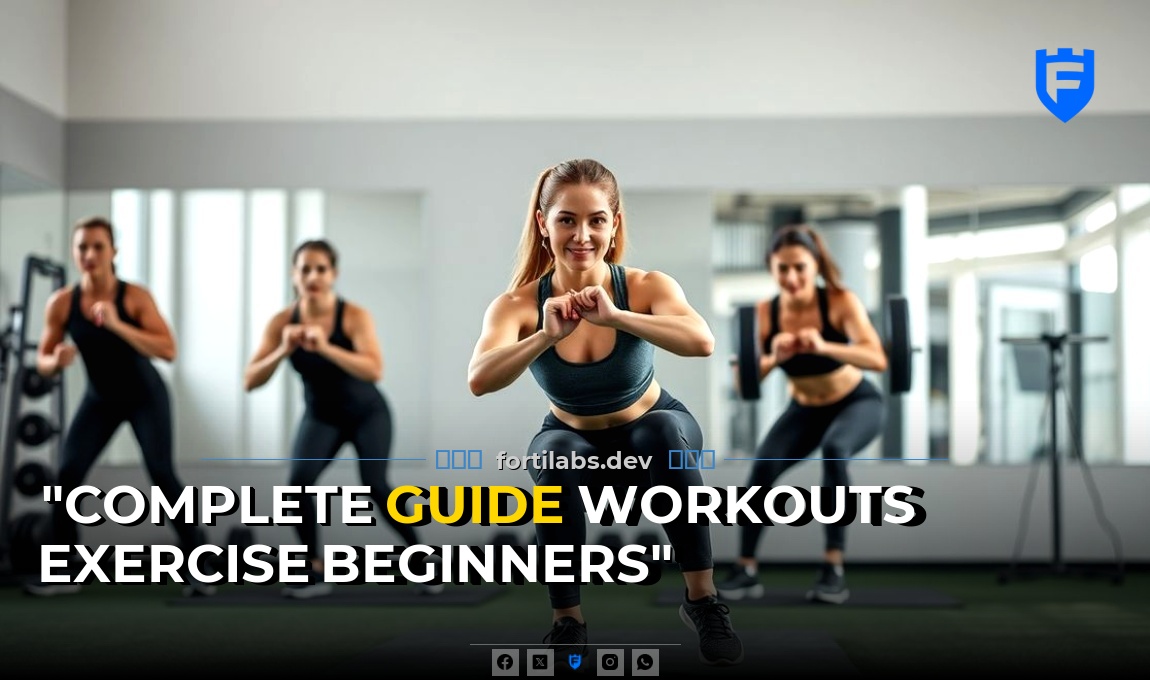
- Squats: Stand with your feet shoulder-width apart and lower your body as if you’re sitting in a chair. Keep your back straight and knees behind your toes.
- Push-ups: Start in a plank position with your hands shoulder-width apart. Lower your body until your chest nearly touches the floor, then push back up.
- Lunges: Step forward with one foot and lower your body until both knees are bent at about a 90-degree angle. Push back up to the starting position and repeat with the other leg.
- Plank: Lie face down with your elbows and forearms on the ground. Lift your body off the ground, keeping your back straight. Hold this position for as long as you can.
Cardio Exercises
Cardio exercises are great for improving your heart health and burning calories. Here are a few beginner-friendly options:
- Walking: This is one of the simplest and most effective forms of cardio. Aim for at least 30 minutes a day, 5 days a week.
- Cycling: Whether you’re cycling outdoors or using a stationary bike, this is a low-impact way to get your heart rate up.
- Swimming: This is another low-impact option that works your whole body.
- Dancing: Put on your favorite music and dance around your living room. It’s a fun way to get moving and doesn’t feel like a workout.
Tips for Staying Motivated and Tracking Your Progress
Setting Realistic Goals
One of the keys to sticking with your workout routine is setting realistic, achievable goals. Instead of aiming to run a marathon in a month, start with smaller goals like walking for 20 minutes a day. As you get stronger and more fit, you can gradually increase the intensity and duration of your workouts.
Finding an Accountability Partner
Having someone to share your fitness journey with can make a big difference in your motivation and success. This could be a friend, family member, or even an online community. Having someone to check in with and hold you accountable can help you stay on track and reach your goals.
Tracking Your Progress
Keeping track of your workouts and progress can help you stay motivated and see how far you’ve come. This could be as simple as jotting down your workouts in a notebook or using a fitness app. Celebrate your victories, no matter how small, and don’t be too hard on yourself if you’ve an off day.
Remember, the most important thing is to find something you enjoy and that fits into your lifestyle. Exercise shouldn’t feel like a chore, so don’t be afraid to try new things and mix up your routine. With consistency and patience, you’ll be amazed at how much your body and mind can change.
So, grab your workout clothes and let’s get started. Your future self will thank you!