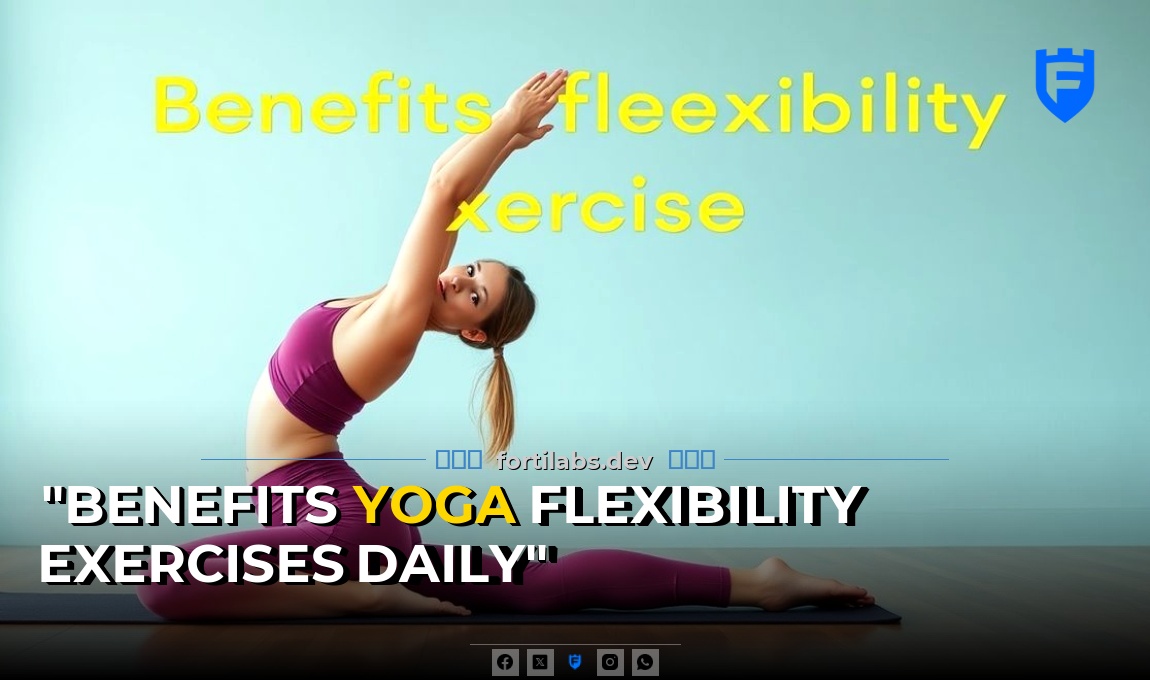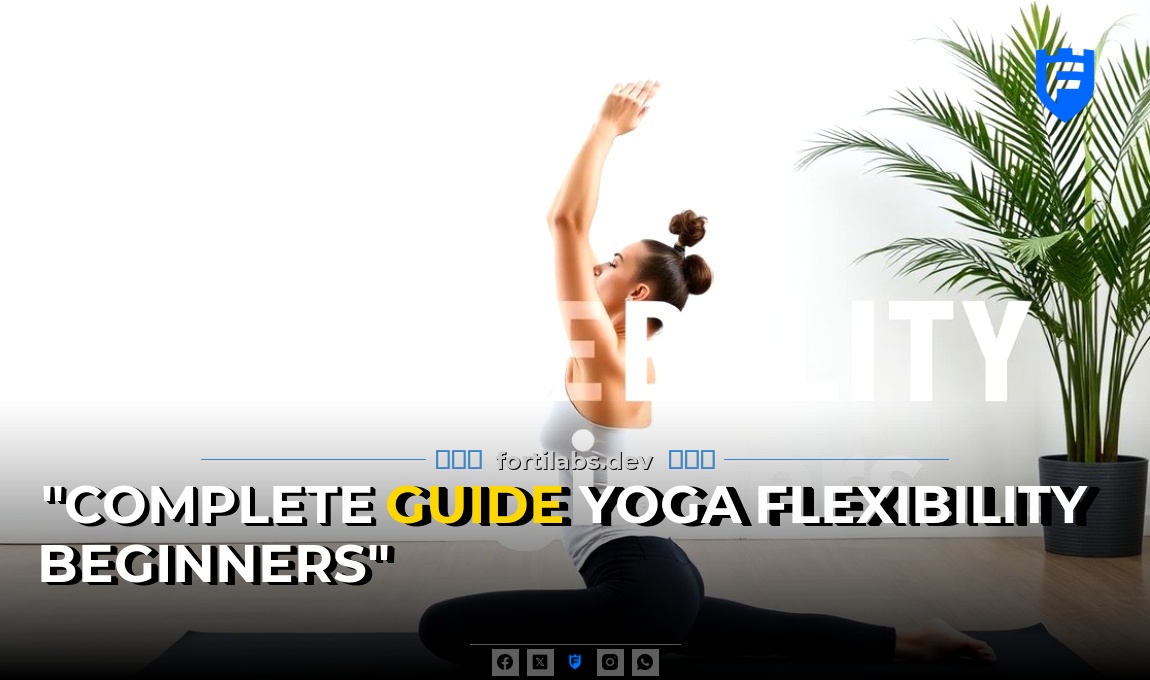
You’ve probably seen those incredibly flexible yogis on Instagram, bending their bodies into seemingly impossible shapes, and thought, “I could never do that.” I’ve been there too. As a beginner, I struggled with tight muscles and a lack of flexibility, feeling discouraged and like yoga wasn’t for me. But here’s the truth: everyone starts somewhere, and with the right approach, you can improve your flexibility and enjoy the benefits of yoga.
Understanding Flexibility and Yoga
First, let’s understand why we’re not as flexible as we’d like to be. Often, it’s due to a combination of factors like age, lifestyle, and genetics. As we get older, our muscles and tendons naturally lose some elasticity. Sitting at a desk all day or leading a sedentary lifestyle can also make our bodies stiffer. But the good news is that yoga can help us regain flexibility and mobility.
what’s Yoga?
Yoga is an ancient practice that combines physical postures (asanas), breathing techniques (pranayama), and meditation. It’s not just about touching your toes or doing fancy poses; it’s about connecting your body and mind, improving strength, flexibility, and balance, and finding inner peace.
what’s Flexibility?
Flexibility refers to the range of motion in a joint or group of joints. It’s a really important factor in maintaining good posture, preventing injuries, and performing daily activities with ease. Yoga improves flexibility by gently stretching and lengthening the muscles and tendons, increasing blood flow, and promoting relaxation.
Getting Started: Two Approaches
When I first started yoga, I wasn’t sure which approach to take. I tried different styles and realized that two main methods worked best for me: active yoga and static stretching. Here’s how they differ and when to use each.
Active Yoga
Active yoga involves moving through a sequence of poses in a flowing, continuous manner. It’s often associated with styles like Vinyasa or Ashtanga yoga, where each movement is synchronized with the breath.
- Best for: Warning up the body, increasing heart rate, and improving circulation. It’s great if you’re feeling stiff or sluggish and need to get your blood flowing.
- When to practice: In the morning or before a workout to energize your body and mind.
I found that active yoga helped me build heat and momentum, making it easier to ease into deeper stretches. It also improved my focus and coordination, as I had to concentrate on linking my breathing with my movements.
Static Stretching
Static stretching involves holding a pose for a set amount of time, usually 15 to 60 seconds. This approach is common in Yin yoga or when you see people holding stretches like Downward-Facing Dog or Cobra pose.
- Best for: Targeting specific areas of tightness or tension and allowing the muscles to relax and lengthen. It’s ideal if you’re looking to improve flexibility in a particular area, like your hamstrings or hips.
- When to practice: After a workout or in the evening to help your body cool down and relax.
I noticed that static stretching allowed me to go deeper into poses and hold them for longer periods. It also had a calming effect on my mind, helping me release stress and tension.
Must-have Tips for Beginners
Now that you understand the two main approaches to yoga and flexibility let’s dive into some must-have tips to help you get started.
Start Slow and Be Patient
When I first started yoga, I was eager to see quick results and pushed myself too hard, too fast. I quickly ended up feeling sore and discouraged. I realized that progress takes time, and it’s must-have to be patient with yourself.
- Start with beginner-friendly classes or online tutorials.
- Listen to your body and only go as far as feels comfortable.
- Consistency is key, so aim for short, regular sessions rather than long, sporadic ones.
Focus on Your Breath
One of the most important aspects of yoga is the breath. It helps us connect with our bodies, stay present, and move safely through poses.
- Inhale deeply through your nose, filling your lungs completely.
- Exhale fully, releasing any tension or tightness.
- Use your breath to guide your movements, inhaling to prepare and exhaling to deepen the stretch.
I found that focusing on my breath helped me stay calm and centered, even when a pose felt challenging. It also allowed me to let go of any competition or comparison with others and focus on my journey.
Use Props for Support
Props like blocks, straps, and bolsters can be incredibly helpful for beginners. They provide support and stability, allowing you to focus on proper alignment and breathing rather than struggling to reach a pose.
- Use blocks to bring the floor closer to you in standing poses or to support your hands in seated Forward Folds.
- Use a strap to help you reach your feet in seated Forward Folds or to bind your hands in twists.
- Use a strengthen or folded blanket to support your knees or hips in seated or reclining poses.
Don’t be afraid to use props, even if you see more advanced yogis going without them. They’re there to help you, not to make you feel less capable.
Warm Up and Cool Down
Just like any other workout, it’s must-have to warm up before practicing yoga and cool down afterward. Warming up helps prepare your muscles and joints for movement, while cooling down helps them recover and prevents soreness.
- Warm-up: Spend 5-10 minutes doing gentle movements like Cat-Cow, Sun Salutations, or other active stretches.
- Cool-down: Spend 5-10 minutes in restorative poses like Child’s Pose, Reclining Butterfly, or Legs-Up-the-Wall.
I found that warming up and cooling down made a significant difference in my flexibility and overall comfort during and after practice.
sample Routine for Beginners
To give you a taste of what a beginner-friendly yoga routine might look like, here’s a simple sequence that combines both active and static approaches.
Active Warm-up
- Cat-Cow: 1 minute
- Sun Salutations: 5 rounds
- Standing Forward Fold to Halfway Lift: 3 rounds
Static Stretches
- Downward-Facing Dog: Hold for 30 seconds to 1 minute
- Low Lunge (Anjaneyasana): Hold for 30 seconds to 1 minute per side
- Seated Forward Fold (Paschimottanasana): Hold for 30 seconds to 1 minute
- Butterfly (Baddha Konasana): Hold for 30 seconds to 1 minute
- Supine Twist (Supta Matsyendrasana): Hold for 30 seconds to 1 minute per side
- Legs-Up-the-Wall (Viparita Karani): Hold for 1-5 minutes
Cool Down and Relaxation
- Child’s Pose (Balasana): Hold for 1 minute
- Corpse Pose (Savasana): Hold for 5-10 minutes
Remember, the key to improving flexibility is consistency. Aim to practice this routine or a similar one 3-5 times per week, and you’ll likely see improvements in your flexibility and overall well-being.
Final Thoughts
As someone who has struggled with flexibility and yoga, I can tell you that it’s never too late to start. Don’t let feelings of inadequacy or comparison hold you back. Instead, focus on your journey, celebrate your progress, and enjoy the benefits that yoga and flexibility bring to your life.
So, grab a mat, find a quiet space, and give it a try. You might be surprised at how much your body and mind can achieve with a little patience, practice, and persistence. Namaste.