Have you ever wondered why some people seem to have endless energy and vitality, while others struggle with fatigue and health issues? The answer often lies in what they put on their plates. As someone who has helped hundreds of people transform their health, I can tell you that a balanced diet is the cornerstone of overall well-being.
what’s a Balanced Diet?
A balanced diet isn’t about strict limitations or depriving yourself of the foods you love. Instead, it’s about feeling great, having more energy, improving your health, and boosting your mood. It involves consuming a variety of foods from all the food groups in the right proportions.
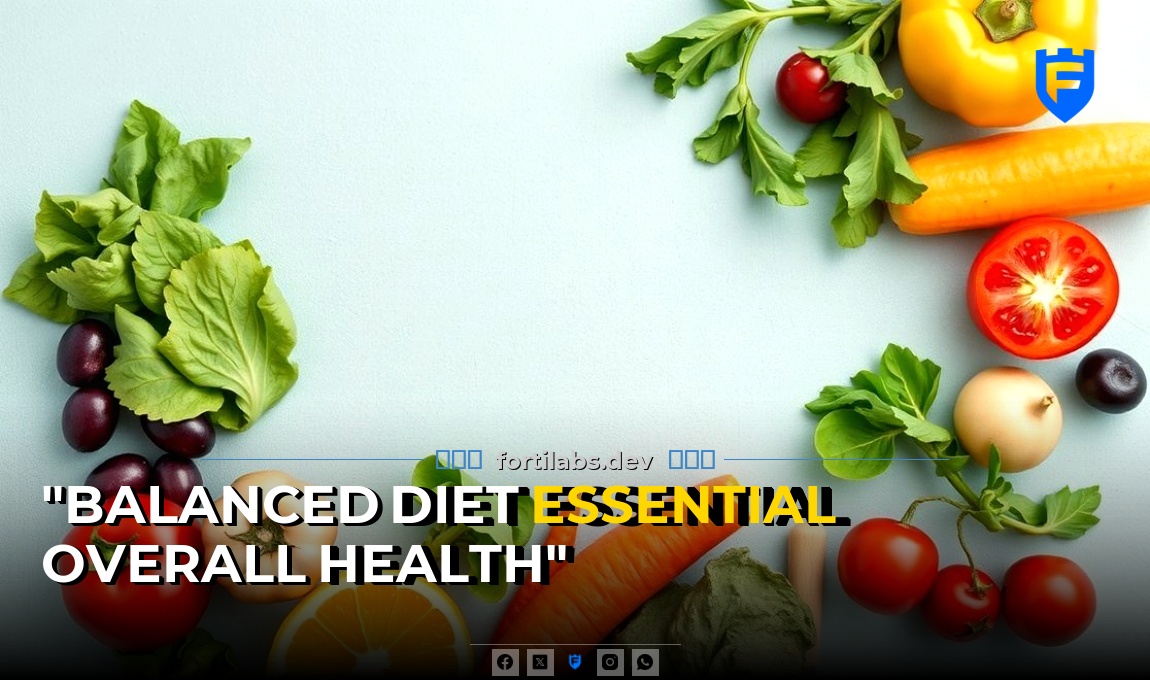
Think of it as a colorful plate. Each color represents a different food group, and together, they create a masterpiece of nutrition. This approach ensures that your body gets the must-have nutrients it needs to function at its best.
Macronutrients: The Big Three
- Carbohydrates: Often vilified, carbs are your body’s primary energy source. Focus on complex carbs like whole grains, vegetables, and fruits.
- Proteins: Must-have for building and repairing tissues, proteins can be found in lean meats, fish, eggs, dairy, legumes, and nuts.
- Fats: Healthy fats are vital for brain health and absorbing certain vitamins. Avocados, nuts, seeds, and fatty fish are excellent sources.
Micronutrients: The Unsung Heroes
Vitamins and minerals, though needed in smaller amounts, play a significant role in your body’s processes. They help convert food into energy, repair cellular damage, and boost your immune system. Aim to get these from a variety of colorful fruits and vegetables.
Why a Balanced Diet Matters
Your body is like a well-oiled machine. It needs the right fuel to function efficiently. A balanced diet provides that fuel, helping you feel your best and reducing your risk of chronic diseases.
Energy and Vitality
Ever feel like you’re running on empty? That’s your body’s way of telling you it’s not getting the right nutrients. A balanced diet provides steady energy levels throughout the day, keeping fatigue at bay.
Disease Prevention
Many chronic diseases, such as heart disease, diabetes, and certain cancers, can be prevented or managed through a healthy diet. For instance, a diet rich in fruits, vegetables, and whole grains can help lower your risk of heart disease and stroke.
Weight Management
Contrary to popular belief, it’s not about counting calories but about choosing the right foods. A balanced diet helps you maintain a healthy weight by keeping you feeling full and satisfied.
Two Approaches to a Balanced Diet
With achieving a balanced diet, there isn’t a one-size-fits-all approach. Let’s explore two different methods and when each works best.
The Traditional Plate Method
This approach involves visualizing your plate divided into sections. It’s simple, easy to understand, and works well for most people.
- Half your plate: Fill this with colorful fruits and vegetables. They’re packed with vitamins, minerals, and fiber.
- A quarter of your plate: Dedicate this to lean proteins like chicken, fish, beans, or tofu.
- The remaining quarter: Reserve this for whole grains like brown rice, quinoa, or whole-wheat pasta.
This method is great for beginners or those who prefer a structured approach. It helps ensure you’re getting a variety of nutrients at each meal.
The Flexible Macro Counting Method
This approach involves tracking the macros (carbohydrates, proteins, and fats) in your food. It’s more flexible and works well for those who have specific health goals or dietary needs.
- Calculate your macros: Based on your age, gender, activity level, and goals, determine your daily macro needs.
- Track your intake: Use a food tracking app to log your meals and ensure you’re hitting your macro targets.
- Adjust as needed: Based on how you feel and your progress, make adjustments to your macro targets.
This method is ideal for athletes, those with specific health conditions, or anyone who prefers a more data-driven approach. It allows for more flexibility and variety in food choices.
Tips for Achieving a Balanced Diet
No matter which approach you choose, here are some tips to help you achieve a balanced diet.
Plan Ahead
Meal planning and prepping can save you time and help you make healthier choices. Set aside some time each week to plan your meals and snacks, then do the necessary shopping and prep work.
Listen to Your Body
Pay attention to how different foods make you feel. If a certain food leaves you feeling sluggish or uncomfortable, it might not be the best choice for you. Your body is unique, so tailor your diet to your individual needs.
Stay Hydrated
Water is must-have for every cell, tissue, and organ in your body. Aim to drink plenty of water throughout the day to stay hydrated and support your body’s processes.
Don’t Forget About Enjoyment
Eating should be a pleasurable experience. Don’t be afraid to enjoy your favorite foods from time to time. The key is moderation and balance.
A balanced diet is a powerful tool for improving your overall health. It’s not about perfection but about progress. Start by making small changes, and over time, you’ll see and feel the difference.
Remember, I’m here to help. If you ever need guidance or support on your health journey, don’t hesitate to reach out. Let’s make those plates colorful and lively together!