I know what it’s like to feel stiff and inflexible. A few years ago, I couldn’t touch my toes without bending my knees, and the thought of doing a backbend seemed impossible. I assumed yoga was just for the super-flexible or those who had spent years practicing. But I was wrong—yoga isn’t about how flexible you already are; it’s about where you’re willing to go.
If you’ve ever felt like your body just isn’t built for flexibility, or if you think yoga is only for the bendy few, this article is for you. I’ll share what worked for me, the mistakes I made, and how you can start incorporating yoga into your life—no matter where you’re starting from.
Why Flexibility Matters More Than You Think
I used to think flexibility was just about looking good in yoga pants or being able to do cool tricks. But I quickly learned that flexibility is about so much more. It’s about movement, longevity, and preventing injury. When your muscles and joints are flexible, you’re less likely to strain something during everyday activities, like picking up a heavy box or reaching for something on a high shelf.
Flexibility also improves your posture. Tight muscles can pull your body out of alignment, leading to pain in your back, neck, and shoulders. Yoga helps loosen those tight spots, so you can stand taller and move with ease.
And let’s not forget the mental benefits. Yoga forces you to slow down, focus on your breath, and be present. It’s a form of moving meditation that reduces stress and anxiety—something we could all use more of in our busy lives.
Common Myths About Yoga and Flexibility
Myth #1: you’ve to Be Flexible to Start Yoga
This is the biggest myth—and the one that held me back the longest. I thought I had to be flexible to even step onto a yoga mat. But the truth is, yoga is for every body. No matter how stiff or inflexible you feel right now, you can still benefit from yoga. In fact, the stiffer you’re, the more you need it!
Myth #2: You Need Expensive Gear to Get Started
I wasted so much time waiting for the “perfect” moment to start yoga—when I had the right mat, the right clothes, and the right studio. The reality? You don’t need any of that. All you need is a little space and the willingness to give it a try. A towel or a carpet works just fine as a makeshift yoga mat, and comfortable, stretchy clothes (like leggings and a T-shirt) are all you really need.
Myth #3: you’ve to Do Yoga Every Day to See Results
Consistency is key, but you don’t have to practice every single day to see improvements. Even 10-15 minutes a few times a week can make a difference. The most important thing is to listen to your body and not push yourself too hard too fast. Progress takes time, and that’s okay.
Yoga Poses to Improve Flexibility
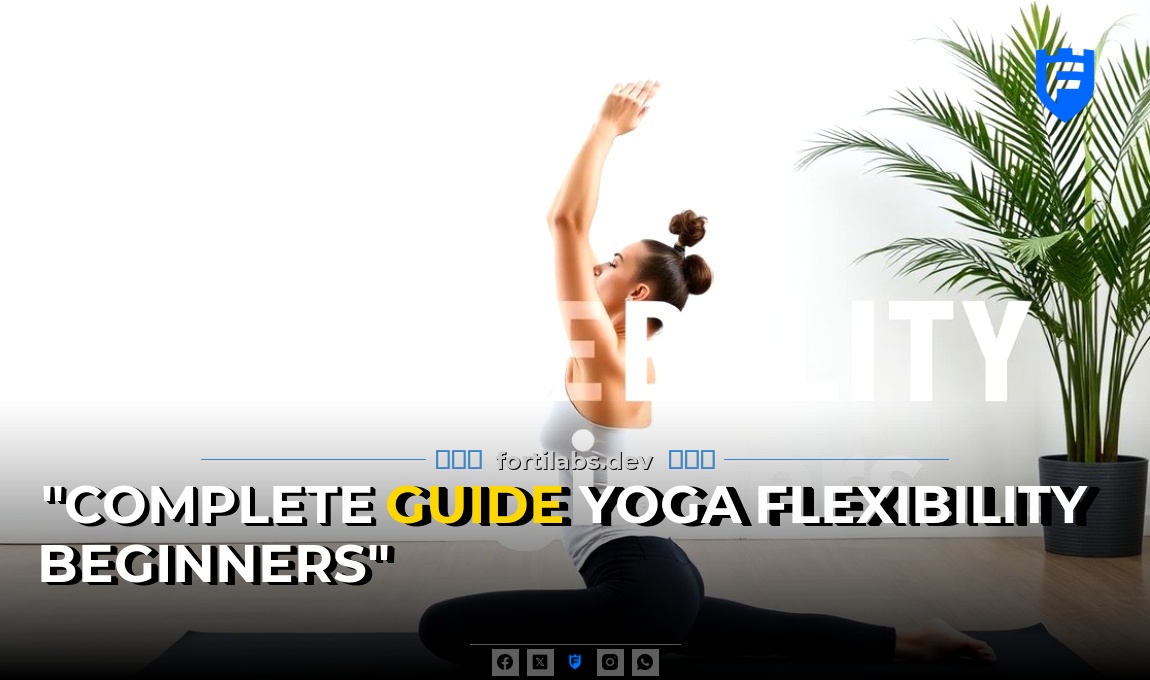
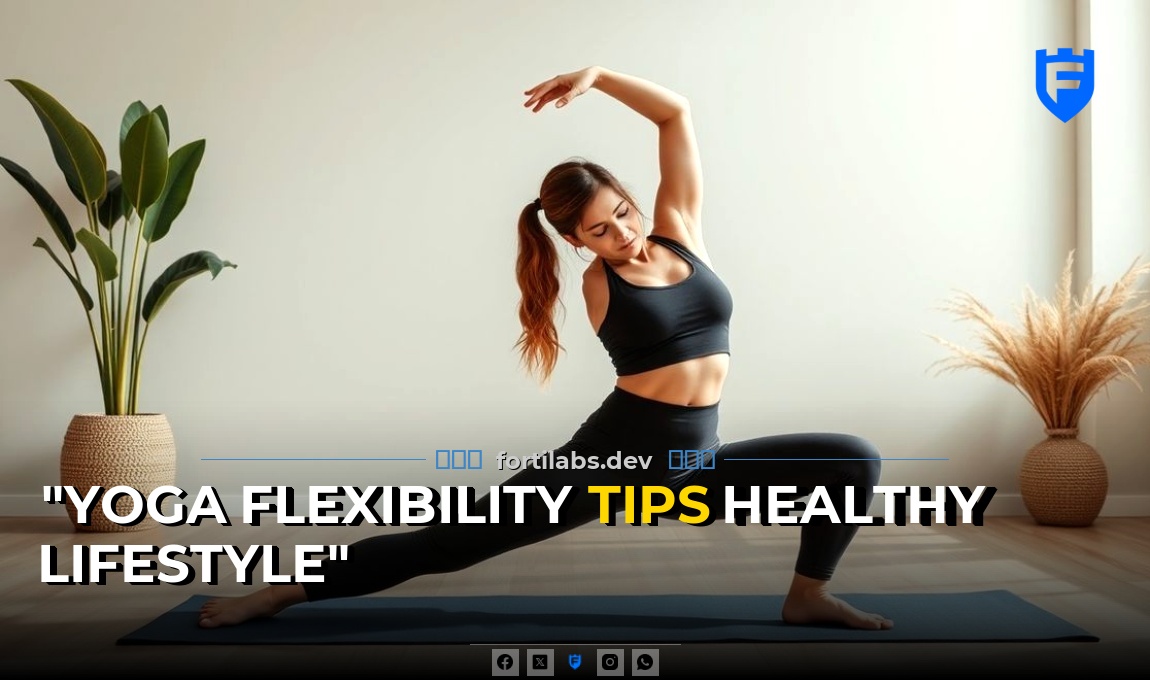
When I first started yoga, I didn’t know where to begin. There are so many poses, and it can feel overwhelming. But you don’t need to master advanced poses to see results. Focus on these beginner-friendly poses to gradually improve your flexibility.
Downward-Facing Dog
This pose stretches your hamstrings, calves, and shoulders. It’s also a great way to build strength in your arms and legs.
- Start on your hands and knees, with your wrists directly under your shoulders and your knees under your hips.
- Press into your hands and lift your hips up and back, forming an upside-down V shape.
- Keep your knees slightly bent if you need to, and press your heels toward the floor.
- Hold for 5-10 breaths.
Child’s Pose
This is a gentle stretch for your back, hips, and thighs. It’s also a great pose to relax and reset if you feel tight or overwhelmed.
- Kneel on the floor, with your knees hip-width apart and your toes touching behind you.
- Sit back onto your heels and fold forward, resting your forehead on the mat.
- Extend your arms in front of you or rest them alongside your body.
- Hold for 5-10 breaths.
Cobra Pose
This pose stretches your chest, shoulders, and abs while strengthening your back. It’s a great way to counter the effects of sitting all day.
- Lie on your stomach with your hands under your shoulders.
- Press into your hands and lift your chest off the mat, keeping your shoulders down and back.
- Hold for 3-5 breaths, then release back down.
Seated Forward Fold
This pose stretches your hamstrings and lower back. It’s a great way to release tension in your legs and improve flexibility in your hips.
- Sit on the floor with your legs extended in front of you.
- Hinge at your hips and fold forward, reaching for your shins, ankles, or feet.
- Keep a slight bend in your knees if needed, and don’t force the stretch.
- Hold for 5-10 breaths.
Tips for a Sustainable Yoga Practice
When I first started yoga, I was so eager to see results that I pushed myself too hard. And guess what? I ended up feeling sore and discouraged. I learned the hard way that progression is more important than perfection. Here’s how to make your yoga practice sustainable:
Listen to Your Body
Yoga should never feel painful. If a pose hurts, back off and modify it. There’s no shame in using props (like blocks or straps) to make a pose more accessible. The goal is to challenge yourself, not injure yourself.
Focus on Your Breath
Your breath is your guide in yoga. If you’re holding your breath or feeling tense, you’re pushing too hard. Take deep, steady breaths, and let them guide your movements. If you find yourself struggling, take a moment to pause and breathe.
Start Small and Build Gradually
You don’t have to do an hour-long yoga session every day to see benefits. Start with just a few minutes a day, and gradually increase the time as you feel more comfortable. Consistency is more important than duration.
Make It a Habit
The key to long-term success is making yoga a habit. Find a time that works for you—morning, lunch break, or evening—and stick with it. The more you practice, the more natural it’ll feel, and the easier it’ll be to stay committed.
Flexibility isn’t about being able to twist yourself into a pretzel. It’s about moving with ease, reducing pain, and feeling good in your body. Yoga has been a really helpful for me, and I know it can be for you too. So grab a mat (or a towel), take a deep breath, and get started. Your body will thank you.
As I look back on my journey, I realize that the biggest shift wasn’t in how flexible I became—it was in how I felt about myself. Yoga taught me patience, self-compassion, and the importance of listening to my body. And that’s something everyone can benefit from, no matter how bendy they’re.
Remember, progress takes time. Be kind to yourself, celebrate small victories, and enjoy the process. You’ve got this!